



Why Success Initiatives Are Smart Business
The primary and most essential measure of student success work is its ability to meaningfully improve the academic trajectories and long-term outcomes of students. Its full value extends further, however, strengthening not only student progress but the institution’s overall financial health. As the enrollment cliff and declining public confidence in higher education erode the population of traditional students available to be recruited, retaining existing students becomes perhaps the single most powerful lever institutions have to stabilize revenue and strengthen long‑term fiscal health. When implemented strategically, student success initiatives do more than support students’ academic journeys—they generate substantial financial returns for the institution.
Enrollment Growth and Revenue Impact
Even modest improvements in retention can create multimillion dollar impacts. Initiatives such as advising reforms or data‑informed outreach help institutions maintain enrollment in a dynamic educational landscape. The fiscal effect is both immediate and cumulative: each retained student represents current‑year revenue as well as future revenue as they continue to progress.
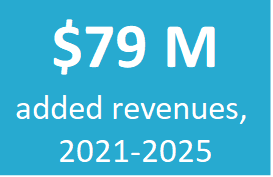
USG Case Study: $79 Million in Added Revenue
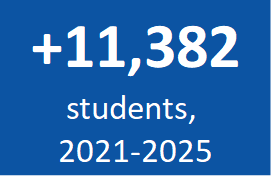
The University System of Georgia (USG) provides a compelling example of how coordinated student success strategies can produce significant financial returns. USG institutions that partnered with the NISS between 2021 and 2025 collectively increased enrollment by more than 11,000 students during that window—a 9.4% systemwide increase. These gains occurred after implementation of NISS’s data-driven approaches designed to support student progression and reduce attrition. The financial impact amounts to an estimated $79 million in additional annual tuition and fee revenue across these institutions.
These results demonstrate that student success initiatives, when implemented at scale, can materially strengthen institution’s financial health, even amidst national enrollment concerns. More importantly, this increase in revenue recurs annually for as long as the students remain enrolled, creating sustained fiscal impact.
Strategic Implications for Institutional Strategy
For higher education leaders, the implications are clear: student success is a strategic imperative. In an era of demographic shifts, heightened competition, and rising operational costs institutions cannot afford to view retention as a purely academic concern; it’s a financial lifeline. Every percentage point increase in retention strengthens the institution’s fiscal position, allowing for innovation and growth.
When institutions invest in initiatives that allow students to navigate requirements, receive timely guidance, and resolve barriers quickly, they build a more stable financial foundation. This stability allows institutions to reinvest in academic programs, student support services, and infrastructure creating conditions that promote even stronger student outcomes. The result is a self‑reinforcing cycle: improved retention boosts revenue, which funds further improvements in student support, driving even higher retention. Institutions that embrace this approach position themselves to withstand demographic and financial pressures and build long-term resilience.
Success Initiatives are Self-Sustaining
The financial case for success initiatives is backed by measurable outcomes. When institutions invest intentionally in helping students remain enrolled and complete their degrees, they advance their mission and secure their future.